
Not everything heavy needs lifting.
Sometimes something feels heavy.
And almost immediately
we start looking for what we're carrying.
What caused it?
What does it mean?
What needs to change?
But perhaps heavy
can simply be what is here.
Before you do anything with it,
what else is available?
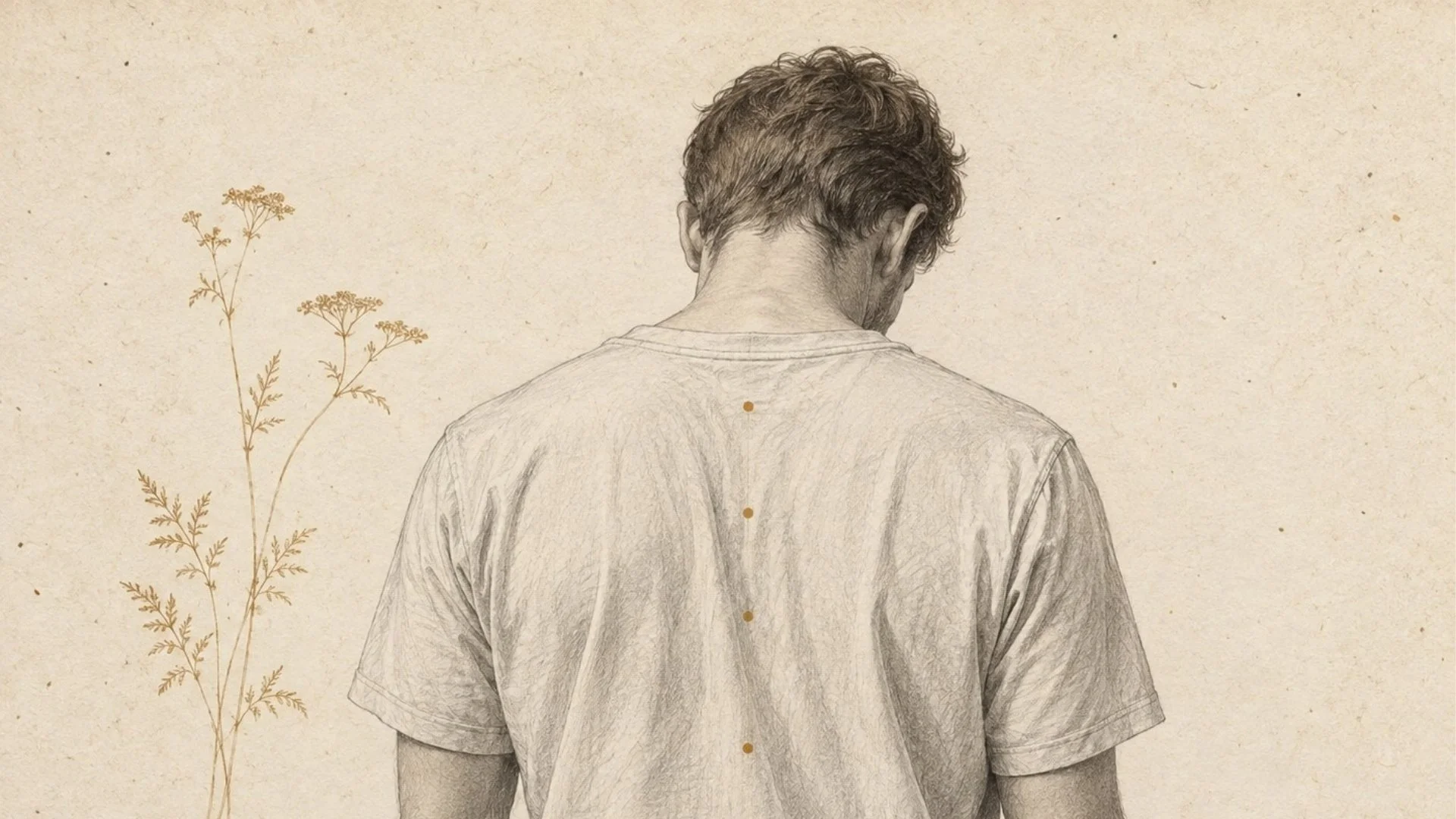
You can't reconnect by trying harder.
Sometimes we realise we've been living almost entirely from the neck up.
Thinking.
Planning.
Remembering.
Worrying.
Meanwhile, the body has been quietly waiting.
Not asking for perfection.
Only to be noticed.

Settled feels different for everyone.
There isn't one way to feel settled.
For some, it's a slower breath.
For others, it's unclenching a jaw they hadn't realised was tight.
Sometimes it's simply noticing that, for a moment, nothing needs your attention.
Perhaps feeling settled isn't a destination.
Perhaps it's something we return to, again and again.
Your breath tells a story.
You don't have to think about your breathing.
Until one day you notice you're barely doing it.
A held breath.
A sigh.
A deep exhale you didn't realise you needed.
The breath is always responding.
Perhaps the question isn't whether you're breathing.
Perhaps it's what your breath has been trying to tell you.
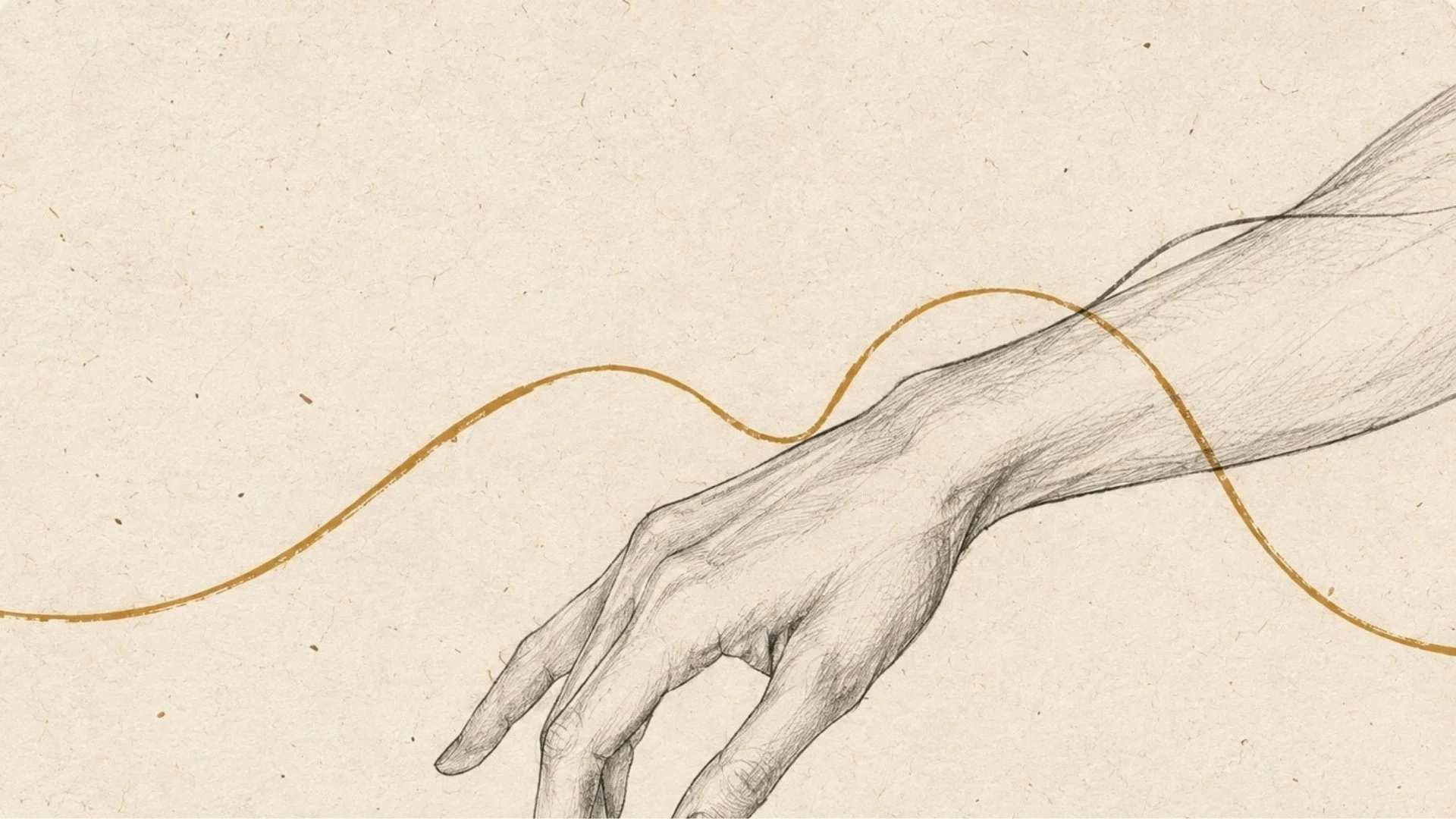
You don't have to let go.
We hear it all the time.
"Just let it go."
As though it were a decision.
But the body doesn't work like that.
It releases when it's ready.
Not because we've told it to.
Not because we've tried harder.
Perhaps our role isn't to make the body let go.
Perhaps it's simply to create the conditions where it no longer needs to hold on.
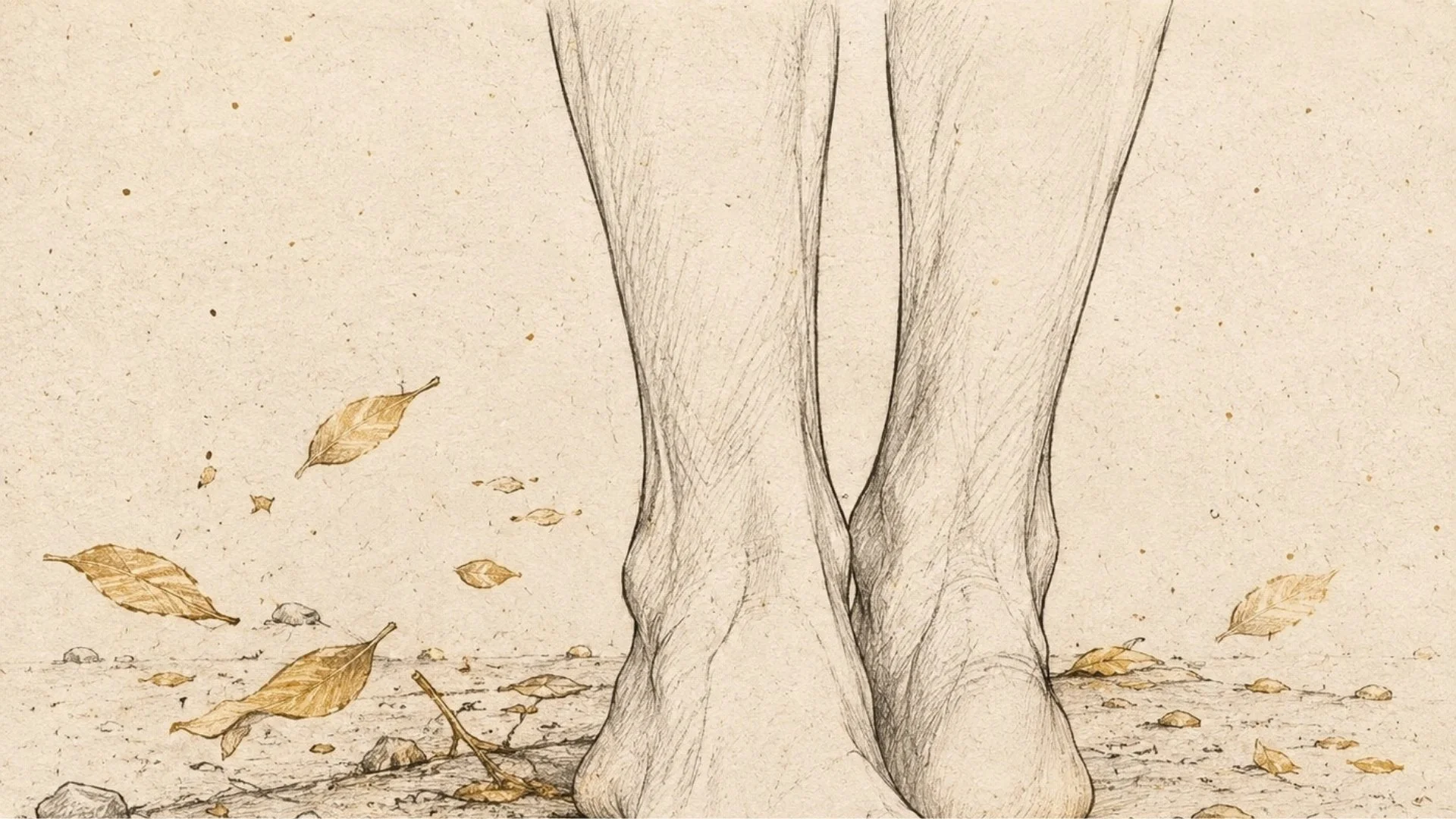
The ground has always been there.
Sometimes grounding isn't something we do.
It's something we notice.
The floor beneath you.
The chair supporting your weight.
The breath arriving without being asked.
Perhaps feeling grounded isn't about becoming stronger.
Perhaps it's remembering that you've been supported all along.
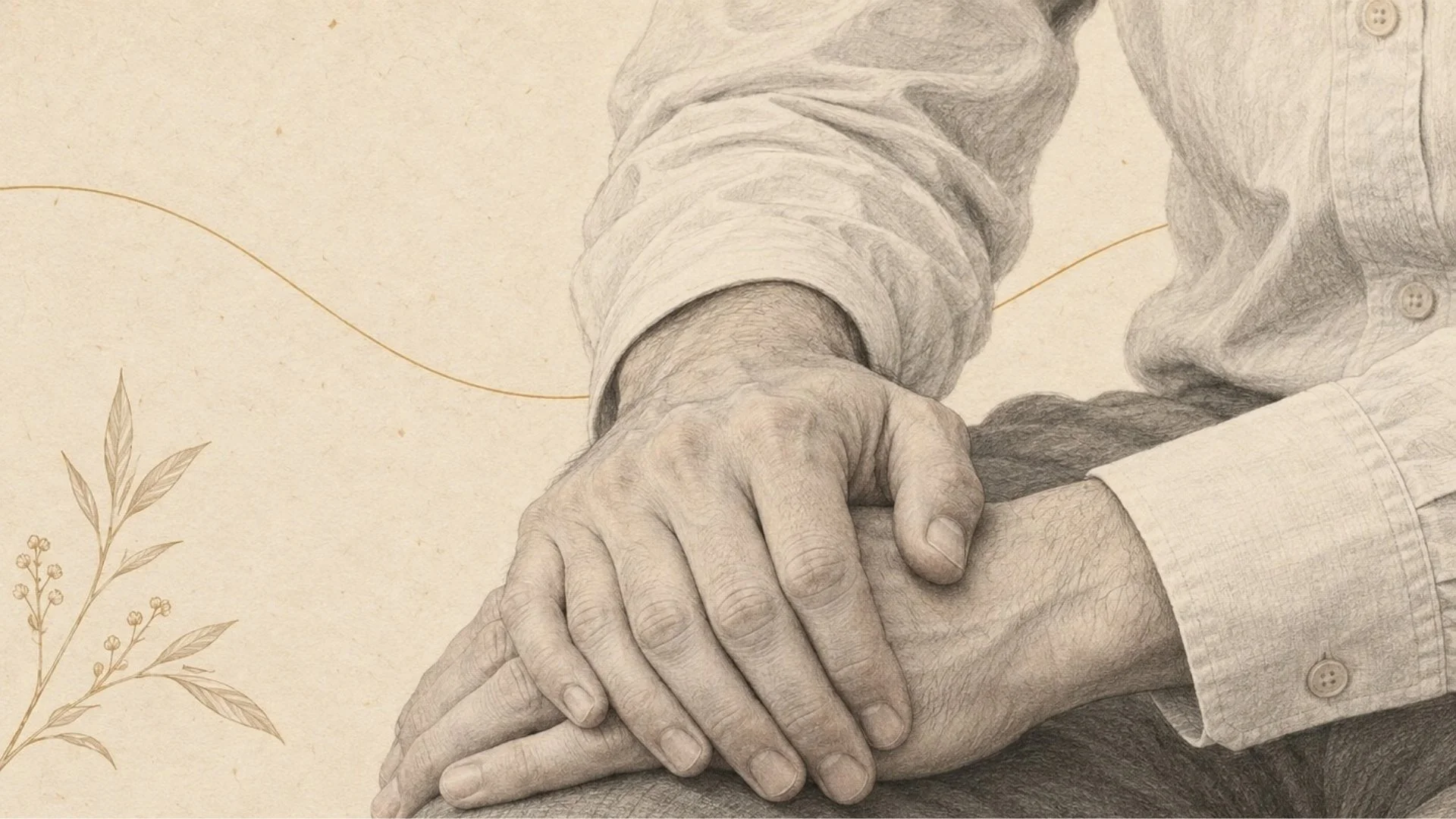
Safety isn't something we think our way into.
You can tell yourself you're safe.
Sometimes your body agrees.
Sometimes it doesn't.
The body learns through experience.
It notices consistency.
Gentleness.
Support.
Time.
Perhaps feeling safe isn't something we decide.
Perhaps it's something the body gradually remembers.
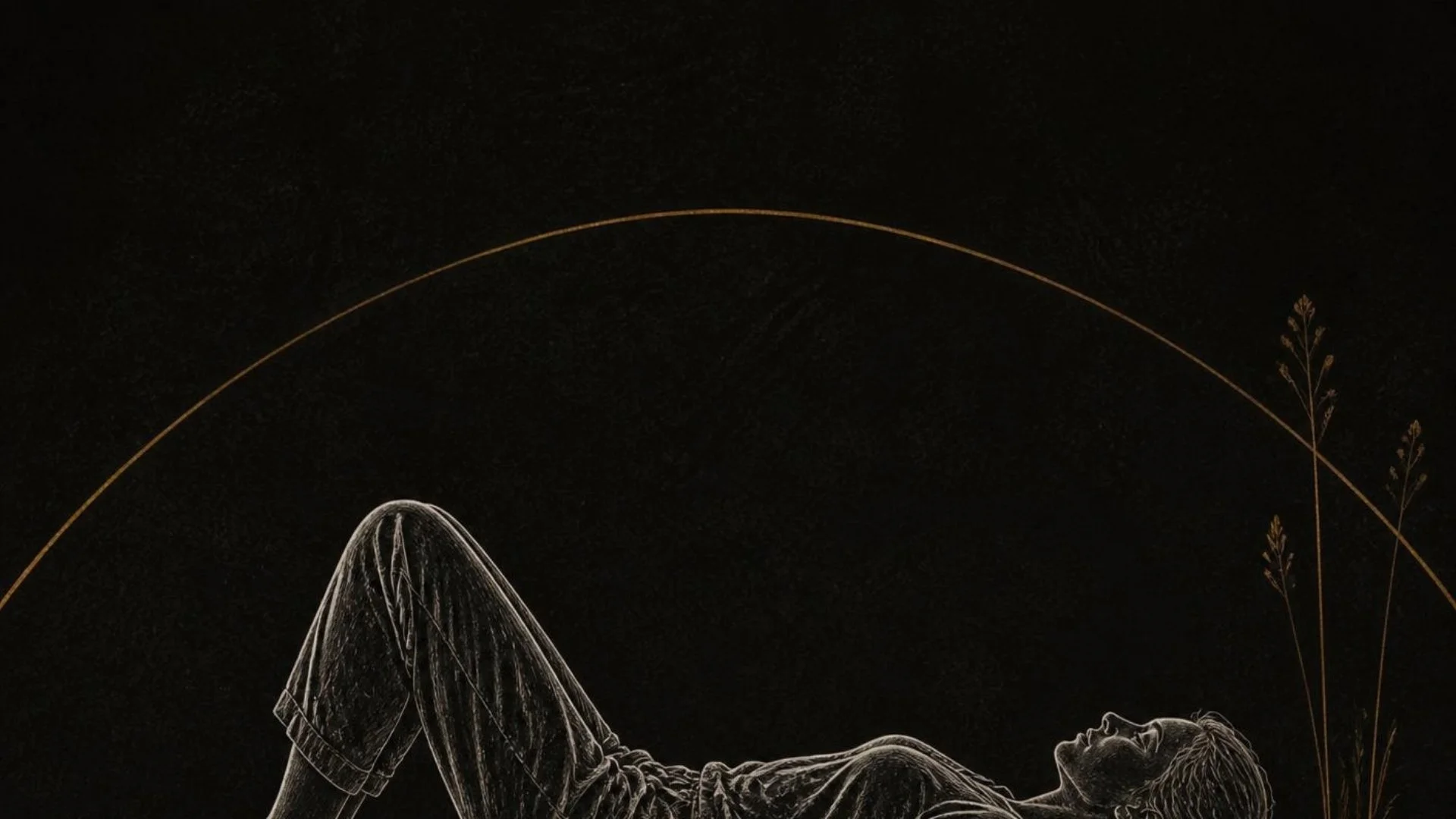
Rest isn't always immediate.
Sometimes we lie down and realise how busy we really are.
The body fidgets.
The mind wanders.
The urge to get up appears almost immediately.
Perhaps that isn't failure.
Perhaps that's simply what we've been carrying finally becoming noticeable.
Sometimes the first step isn't feeling rested.
It's noticing how difficult rest has become.
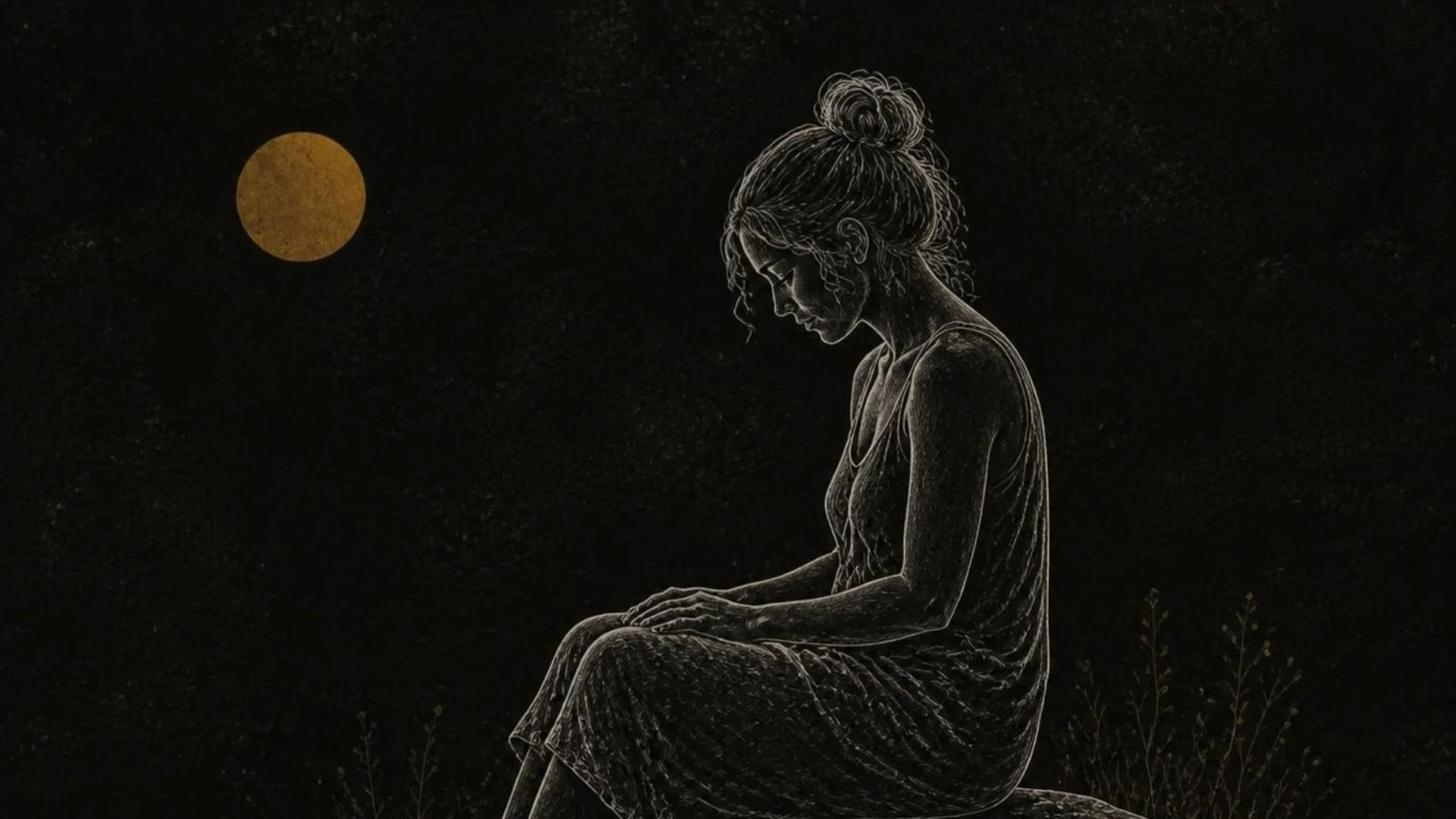
Sometimes stopping feels harder than carrying on.
Have you ever noticed how difficult it can be to simply stop?
Not because there's something urgent to do.
But because stopping feels unfamiliar.
Sometimes we become so used to being productive, responsible or available that movement becomes our default.
The body forgets what it feels like to simply be.
Perhaps rest isn't something we earn.
Perhaps it's something we've quietly forgotten how to receive.

The body whispers before it shouts.
The body is surprisingly patient.
It begins with whispers.
A tightening jaw.
A restless night's sleep.
A breath that never quite reaches the bottom of your lungs.
Only when those whispers go unheard does it begin speaking louder.
I've started wondering if the body isn't working against us at all.
Perhaps it's simply trying to make sure we eventually listen.
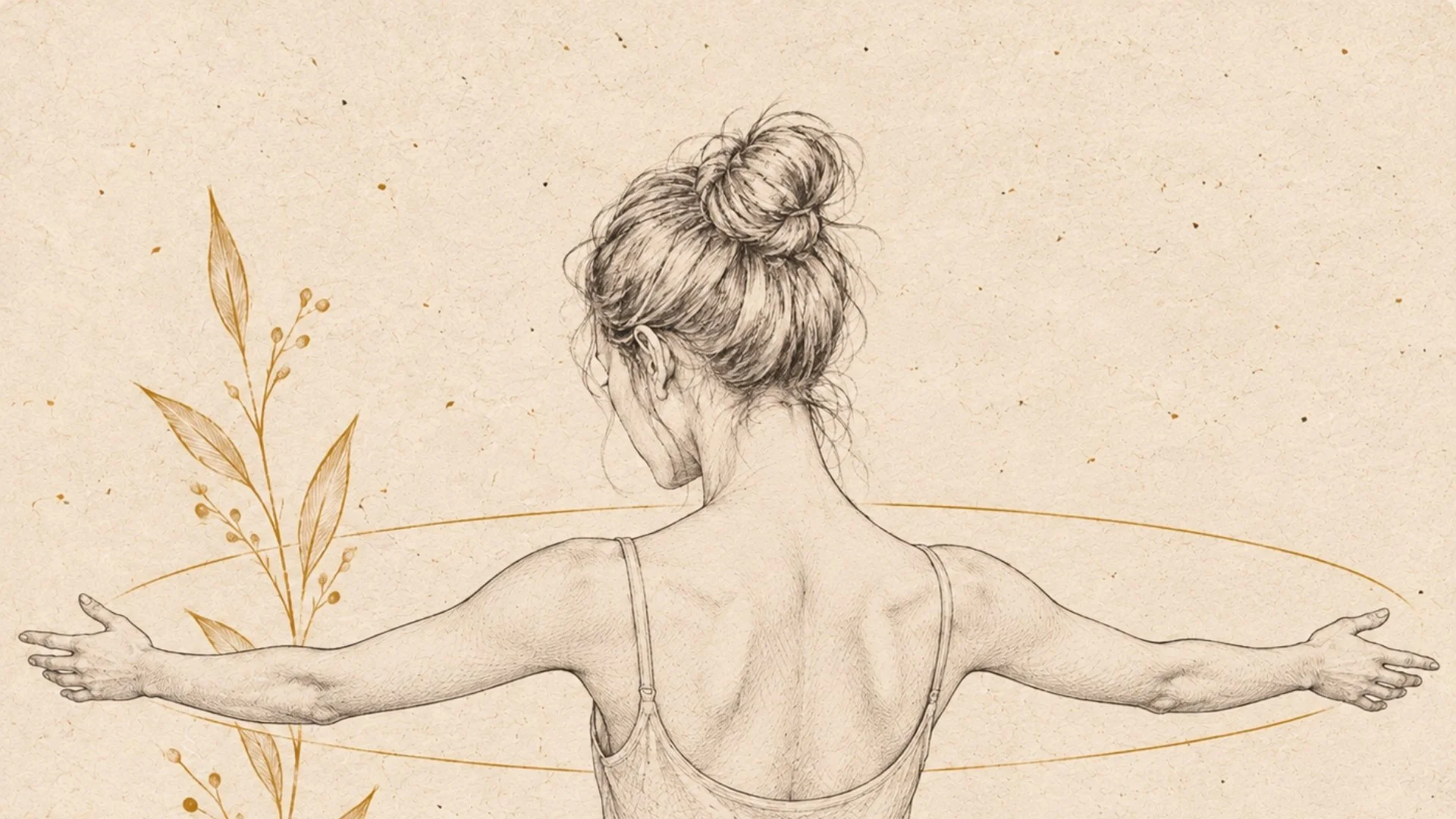
Stillness isn't the absence of movement.
When we become still on the outside, something often begins to move on the inside.
A deeper breath.
A softening jaw.
A thought we've been too busy to hear.
An emotion finally given enough space to surface.
Stillness isn't about stopping.
It's about creating enough space for your own rhythm to return.
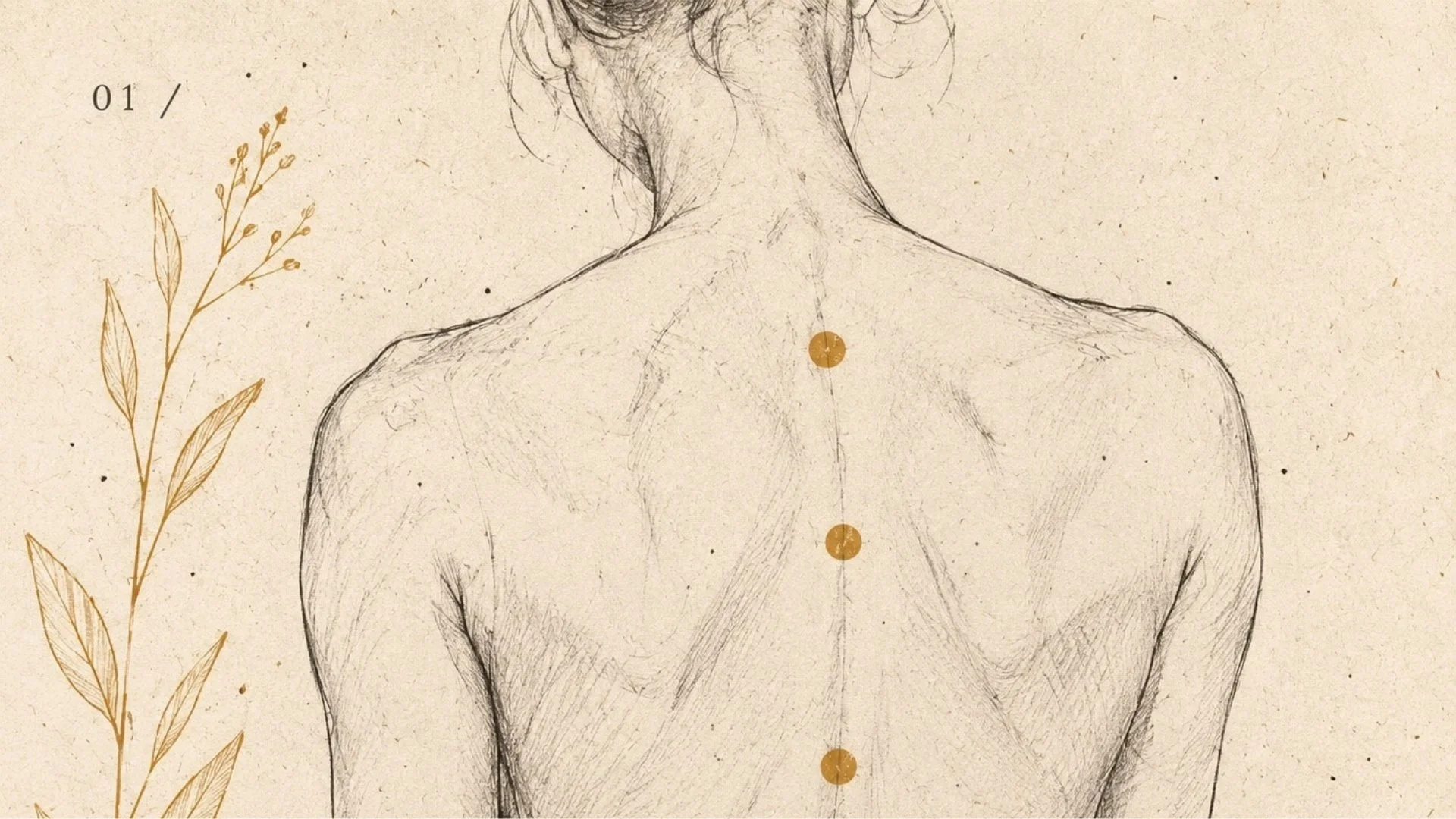
Your body remembers.
Every experience leaves an imprint.
Moments of joy.
Moments of fear.
Moments where you felt safe.
Moments where you didn't.
Your body carries these experiences quietly, often without words.
The beautiful thing is that it can also learn something new.
Given the right conditions, the nervous system can begin to discover ease again.
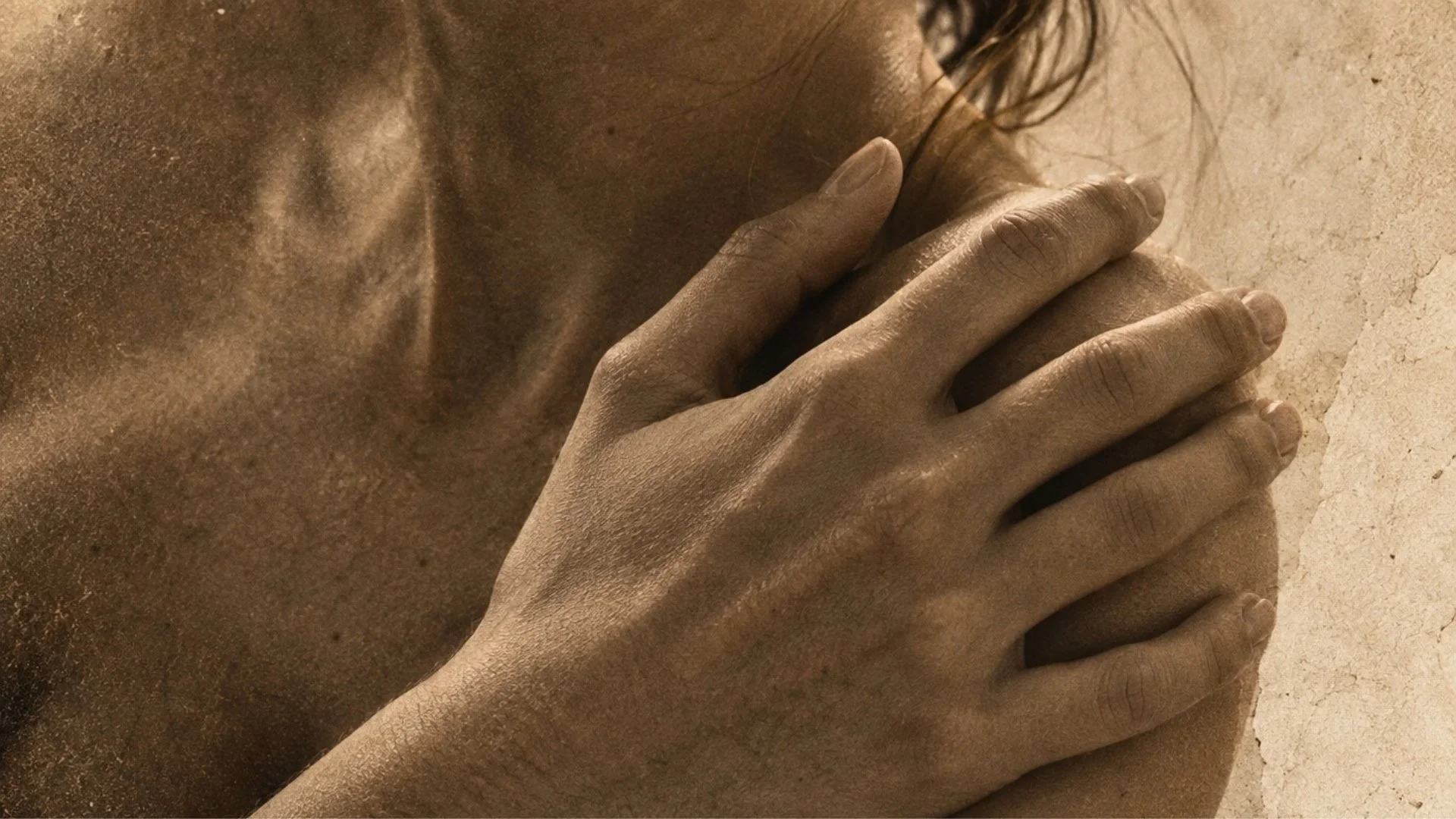
Holding isn't just physical.
When we hear the word "tension", we often think about tight shoulders or an aching neck.
But holding can show up in many different ways.
Holding your breath.
Holding your emotions.
Holding yourself together.
Holding onto responsibility.
Often we don't notice we're holding anything at all—until we experience what it feels like not to.
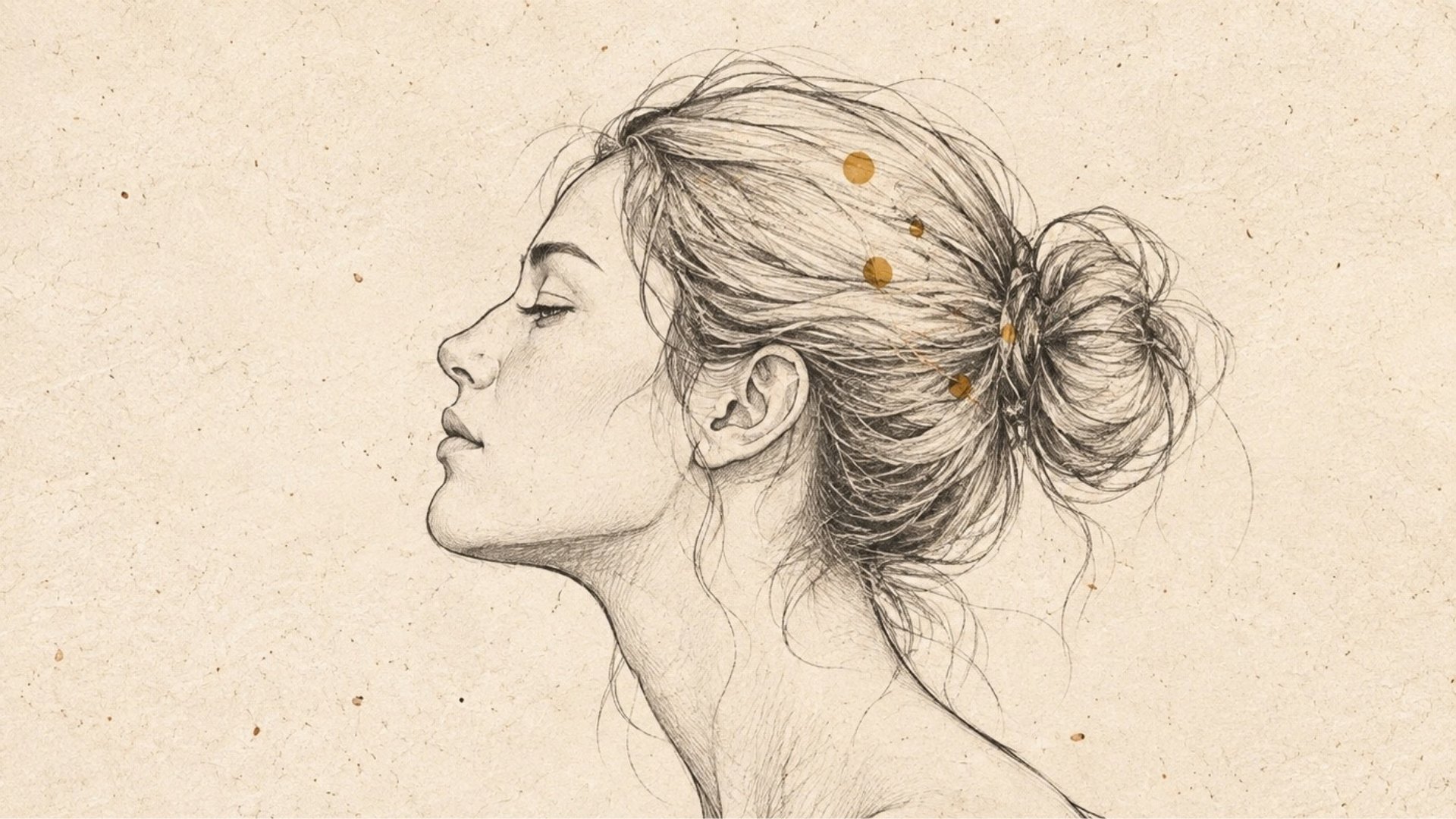
Your body is always listening.
Long before you notice you're holding your breath, your body already has.
It notices before you do.
A conversation.
A deadline.
A difficult memory.
The body doesn't wait for permission to respond.
It simply does what it believes is needed to keep you safe.
Sometimes what we're calling tension isn't something to fix.
It's evidence that your body has been trying to take care of you.